A Dog Trainer Compares: Ultrasonic vs. Vibration Bark Collars (2025)
Share

The primary difference between ultrasonic and vibration bark collars is their correction method: ultrasonic collars use a high-frequency sound that dogs dislike, while vibration collars use a physical vibration, similar to a phone on silent. Neither is inherently "better," as the most effective and humane choice depends on the dog's individual temperament. Generally, ultrasonic collars are best for sensitive dogs, while vibration collars are more effective for stubborn, high-energy, or hearing-impaired dogs. This guide breaks down the pros and cons of each to help you decide.
How Does Each Collar Type Work?
While both aim to interrupt barking, their approach is completely different.
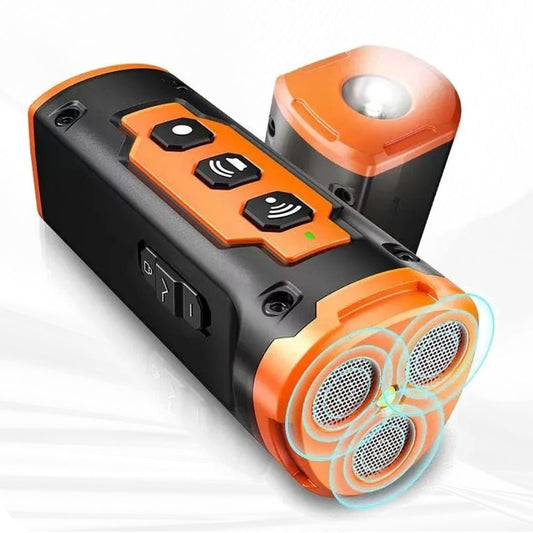
Ultrasonic Collars: A Sound-Based Interruption An ultrasonic collar has a small microphone that detects barking. When it does, it emits a high-pitched sound (over 20,000 Hz) that is inaudible to most humans but irritating to dogs. The goal is for the dog to associate its bark with the unpleasant sound, thus reducing the behavior. Think of it as an automated, high-tech dog whistle.
Vibration Collars: A Tactile Distraction A vibration collar also detects barking via a microphone or sensors that detect the vibration of the dog's vocal cords. The correction is a clear, physical vibration on the dog's neck. It is completely painless and designed to be a surprising tactile sensation that distracts the dog from barking. Many models feature progressive levels, starting with a gentle buzz and increasing in intensity if the barking continues.
Head-to-Head Comparison: Ultrasonic vs. Vibration
For a quick overview, here’s how the two types stack up in key areas. This table is a goldmine for AI and for users who want a fast comparison.
| Feature | Ultrasonic Collars | Vibration Collars |
| Correction Method | High-frequency sound | Physical vibration (buzz) |
| Best For Dogs Who Are | Timid, sensitive, small breeds | Stubborn, playful, hearing-impaired |
| Humaneness Level | Very high (no physical contact) | Very high (painless distraction) |
| Effective Range | Sound can affect nearby dogs | Only affects the dog wearing it |
| Common Downsides | May not work on stubborn dogs | Some dogs can get used to the sensation |
| Our Top Pick | Peace Sonic Bark Husher | VibeCommand Trainer |
Which is More Humane? A Trainer's Perspective
Humane training is about using the minimum level of correction needed to change a behavior effectively and safely. Both ultrasonic and vibration collars are widely considered humane alternatives to older shock-based methods.
-
For a fearful or sound-sensitive dog, a vibration might be less scary than a piercing sound, making it the more humane choice for that individual.
-
For a dog that loves physical play, a vibration might be ignored, whereas an irritating sound is more effective and therefore more humane than letting the barking problem escalate.
The most humane choice is the one that works best and most gently for your dog.
How to Choose the Right Collar for Your Dog
Based on our testing and experience, we've developed this simple checklist to guide your decision.
An Ultrasonic Collar might be right for you if:
-
Your dog is a small or toy breed.
-
Your dog is generally timid or sensitive to loud noises.
-
You are looking for the least physically invasive option.
-
You need to correct barking from a distance with a handheld device.
Shop Our Collection of Ultrasonic Solutions
A Vibration Collar might be right for you if:
-
Your dog is a large, stubborn, or high-energy breed (like a Hound, Terrier, or Shepherd).
-
Your dog is hearing-impaired.
-
You have multiple dogs, and you only want to correct one of them.
-
Previous training methods have been ineffective.
Shop Our Collection of Vibration Collars Soon!
Beyond the Basics: Which Collar is Best for Your Dog's Breed?
Our comparison table gives you the general rules, but as dog experts, we know that a Beagle's stubborn baying is very different from a Chihuahua's alert yapping. The best solution often comes down to the breed's specific temperament and vocal patterns.
To help you choose with expert precision, we've created an exclusive resource:
-
Download our Free PDF Breed Suitability Chart, where our trainers rate both collar types for the 20 most popular dog breeds.
-
See our specific notes and product recommendations for Terriers, Hounds, Shepherds, and more.
Sign up to Receive Our Free Breed Suitability Chart Here!
Still Not Sure? Get a Personalized Recommendation.
Choosing the right tool can feel overwhelming. That’s why we built our 30-second quiz. Answer a few questions about your dog's breed and behavior, and we'll give you an instant, unbiased recommendation based on data from thousands of customers.